
The concept of cybersecurity still looks like medieval warfare for most business owners. It is usually visualized as having moats, thick walls, and heavy gates to keep threats away from the castle, or in this case, the business. It assumes that a breach can only happen IF the walls are not strong enough or the moats are not deep enough. Unfortunately, threats can happen anytime through different access points. The attacks are now more of skirmishes and espionage rather than a massive army knocking the gates open. Cybersecurity firms say that a breach should no longer be anticipated as “IF it happens” but rather a “WHEN it happens.”
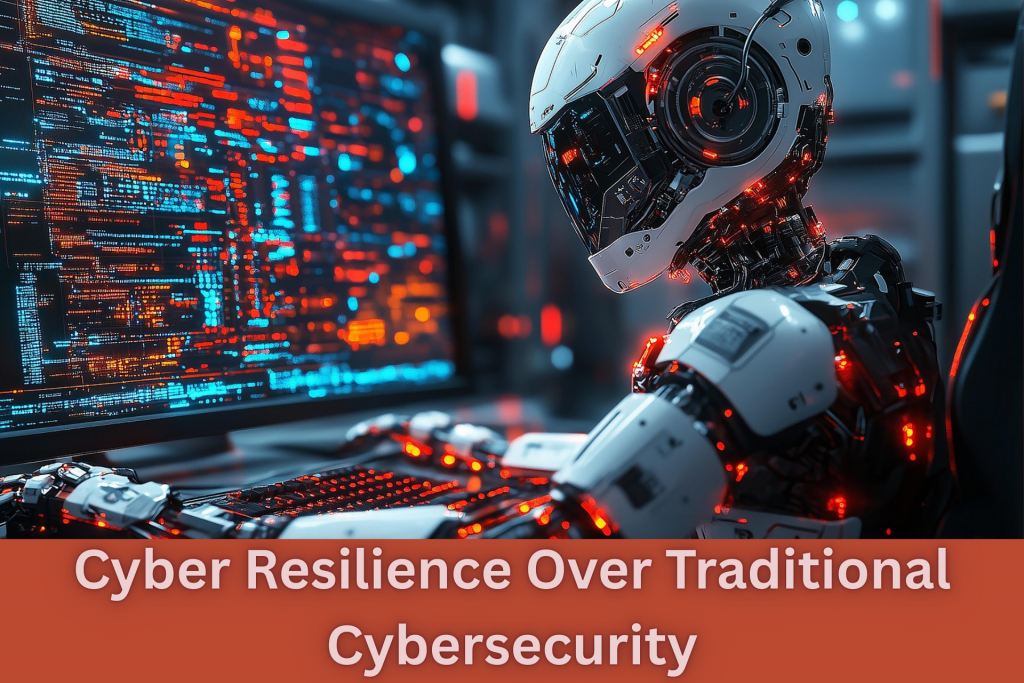
Cybersecurity Firms Now Pushing for Resilience Than Traditional Security
This is attributed to not only the change in the workplace, storage options, as well as how and where employees work. It is also because hackers are also adapting at a fast pace to take advantage of any weak spots or loopholes in the cybersecurity protocol.
Cybersecurity Firms Switch from Prevention to Preparedness
Security was previously concerned with preventing all threats. Today, however, the mindset is switching towards rapid incident recovery, which is the first line of response in cyber resilience. Cybersecurity firms acknowledge that even secured businesses are breached. A person clicks on a malicious link. A supplier suffers from an attack. A sophisticated AI fraud evades filters. Good defenses do not stop incidents. The true distinction is in reaction.
Responding Without Panic
A cyber-resilient organization reacts calmly and swiftly. It first identifies the suspicious activity at an early stage. After which, the cybersecurity system isolates and, if possible. neutralizes them. Because of this swift action, business is back on track with minimal or no interruption. This means the system has controlled and clear processes that direct each step. This also means that not only do leaders know their roles, but teams also know their part and are knowledgeable to know what is expected. Cybersecurity firms say that this is only possible by enabling modern monitoring tools. In most cases, Artificial intelligence is used as they detect suspicious logins or suspicious file transfers quicker. Moreover, AI can sense out-of-place behavior that leads to early prevention and avoids bigger damage.
Backups: Your Safety Net
The importance of backups is still and will continue to be vital to resilience. This means not just simple copies, but safe ones in order to ensure business continuity. Data must be sealed, closed, and encrypted to only be accessible to authorized parties. Disaster recovery is quicker when there are backups properly set. This is because systems do not have long periods of downtime, and customers do not experience disruption. Dependable backups make a crisis nothing more than an inconvenience.
People Power Matters
Resilience cannot rely on technology alone. Employees are on the center stage and are vital parts of the cybersecurity protocol. This means they are not just aware and vigilant against suspicious emails. But also, being empowered and encouraged to report concerns as soon as possible. Management must have a straightforward response plan, and there is a specific person who makes the first move. Acting swiftly mitigates consequences.
Cyber Resilience with a Reliable Partner Among Numerous Cybersecurity Firms
Cyber resilience is not flawless. It is preparation and confidence. And,is cool and composed even under pressure with an effective and executable plan against attacks. It implies quickly withstanding attacks without permanent damage. However, not all cybersecurity firms are equipped enough to provide this kind of counter espionage and fast neutralization in this modern warfare. Make sure to partner with an experienced and trusted cybersecurity provider. Here at EB Solution, we can offer assistance to your business in strengthening resilience.
Connect with us today and let us develop a plan that secures your business!
Tech Insights From EB Solution
Watch Our Latest Tech Videos From EB Solution

Get A Free Immediate Quote For IT Services
From EB Solution Today.
Why choose EB Solution:
- Around-the-clock IT services
- Expert technology professionals
- Single source for all your IT
- Reliable data backup solutions
- Certified cybersecurity experts
Ready to make the move to EB Solution?
Fill out the form to the right to get your free immediate quote.
Interested?
 Call Now